
Wooden Mechanical Puzzle Hobby: A Fresh Alternative to Plastic Model Kits
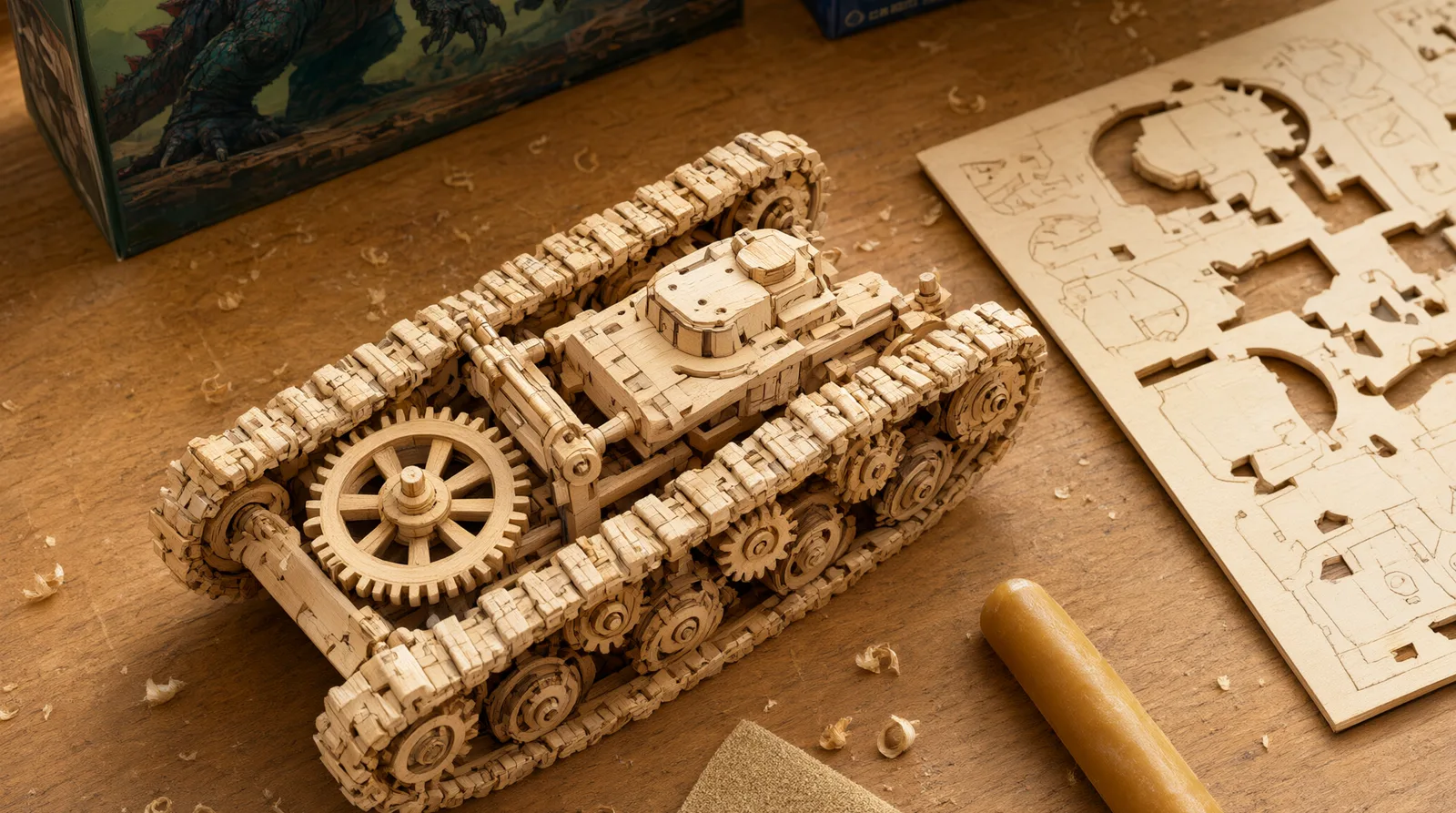
Model builders are buzzing over a new wave of vintage Japanese Godzilla plastic kits, a trend covered by ComicBook.com that celebrates the joy of assembling detailed kaiju figurines. But after the glue dries and the paint cures, many hobbyists find themselves wanting a build that moves, clicks, and works. That's where the wooden mechanical puzzle hobby steps in as a satisfying next project.
Wooden mechanical puzzles offer the intricacy of a traditional model kit without the chemicals, paint, or static display. Instead, you snap precision-cut plywood pieces into working gears, pistons, and levers—a tactile payoff that plastic figures rarely deliver.
Why Plastic Model Collectors Are Eyeing the Wooden Mechanical Puzzle Hobby
The current buzz around vintage Godzilla model kits taps into a deep love of miniature engineering and creature design. These plastic builds reward patience with a painted figure that looks great on a shelf. Yet the process often involves strong adhesives, toxic solvents, and hours of careful painting before you ever see a finished piece.
Wooden mechanical puzzles flip that experience. There is no glue to dry, no paint to layer, and no chemical smell. Instead, you push laser-cut plywood parts together with a satisfying friction fit, then watch the assembly come to life as gears turn, wheels roll, or a grabber opens and closes. For collectors who love the hands-on challenge of building a detailed model, this hobby offers a refreshing build-and-play result that plastic kits rarely match.
What Makes a Wooden Mechanical Puzzle Feel So Different
From the first piece to the final click, a wooden puzzle engages your senses in ways injection-molded plastic cannot.
- No glue, no paint, no solvents. Precision-cut plywood parts interlock with tight tolerances, creating a clean, mess-free build that is safe for a kitchen table or desk.
- Natural materials with real texture. Thin birch or basswood sheets show visible grain, and waxed joints slide together smoothly. You feel the wood flex and seat as you work, a tactile reward plastic never gives.
- Functional movement at the end. Many kits include working mechanisms—rotating shafts, reciprocating pistons, or articulated fingers—that turn a static figurine into a small desktop machine you can interact with.
Choosing Your First Wooden Kit When You Love Building Godzilla-Style Models
If you are drawn to articulated creatures and mecha designs, the Wooden Cyber Hand Puzzle is a wearable robotic gripper that mirrors the mechanical gratification of assembling a Godzilla-scale monster. Its finger joints and cable-driven movement feel like engineering a living appendage.
Fans of heavy industrial machinery will appreciate kits like the Wooden MoAZ 75053 Earthmoving Dump Truck, which features working drivetrains and authentic dump action. For a similar build with a classic profile, consider the Wooden Ferdinand Puzzle or the Wooden Belarus 82.3 Tractor with Plow—both deliver complex moving parts and rugged mechanical charm. If you enjoy diorama storytelling, the broader collection includes functional pieces like the FS80 Forage Harvester and the Printing Machine, which can become set pieces for a homegrown kaiju-scale scene.
How to Make the Switch from Plastic Kit Tools to Wood Puzzle Habits
You will not need sprue cutters, plastic cement, or an airbrush. Instead, keep a few simple items nearby: fine-grit sandpaper for easing tight joints, a beeswax stick for lubricating moving parts, and a clean cutting mat to protect your work surface. Our desk setup guide covers the essential tools and lighting that make wooden builds more comfortable.
Embrace a slower pace. Unlike snap-fit plastic parts that click together in seconds, wooden puzzle assembly rewards patient test-fitting and gentle pressure. Never force a piece—if it resists, sand the edge lightly and try again. Storage is also simpler because you only release the pieces you need from each laser-cut sheet, leaving the rest flat and protected. There are no half-used paint jars or open glue bottles to worry about, and the process is odorless and dust-light.
Building a Godzilla-Like 'Monsterverse' with Wooden Mechanical Models
Combine several kits—a robotic hand, a heavy dump truck, a printing machine—to create a retro-futuristic diorama that echoes the sense of scale and motion from classic kaiju films. The mechanical, screen-free nature of these puzzles taps into the same hands-on engineering thrill that plastic robot kit builders already love, as we explore in our post on wooden mechanical robot kits.
Once your build is complete, share it with the community. Wooden model enthusiasts love showing off moving assemblies, from spinning gears to articulated grabbers, just as figure painters display their finished resin statues. Your own wooden monsterverse might just inspire the next builder to put down the glue bottle and pick up a sheet of plywood.
Ready to start your first no-glue, fully mechanical project? Explore the 3D Wooden Puzzles collection and find a kit that moves as much as your imagination does.
Frequently asked questions
Are wooden mechanical puzzles difficult for someone used to plastic model kits?
Not at all. While the assembly process is different from plastic kits, wooden puzzles use clear, illustrated instructions and friction-fit parts. If you enjoy precision and patience, you will likely find the build satisfying rather than difficult.
Do I need any special tools or materials to build a wooden mechanical puzzle?
No special tools are required. Most builders find a small piece of fine-grit sandpaper, a beeswax stick for lubricating moving joints, and a flat work surface to be helpful. You do not need glue, paint, or cutting tools.
Are wooden mechanical puzzles suitable as display pieces or only for play?
Both. Many wooden mechanical puzzles are designed to look great on a shelf, with visible wood grain and intricate details. But the moving parts—like spinning gears or opening grabbers—also make them fun to handle and demonstrate after the build is complete.
How long does it take to build a wooden mechanical puzzle?
Build time varies by kit complexity and your experience level. A simple puzzle might take a few hours, while a highly mechanical model with many parts could span several evenings. Take your time; the process is meant to be enjoyed.
Can I paint or finish a wooden mechanical puzzle?
You can finish a wooden puzzle if you want, but it is not necessary. Many builders leave the natural wood surface bare to show off the grain and laser-cut edges. If you do finish, use a light coat of clear wood oil or wax instead of paint to preserve the moving parts.