
Wooden Space Shuttle Puzzle: The Smarter Reusable Rocket Alternative
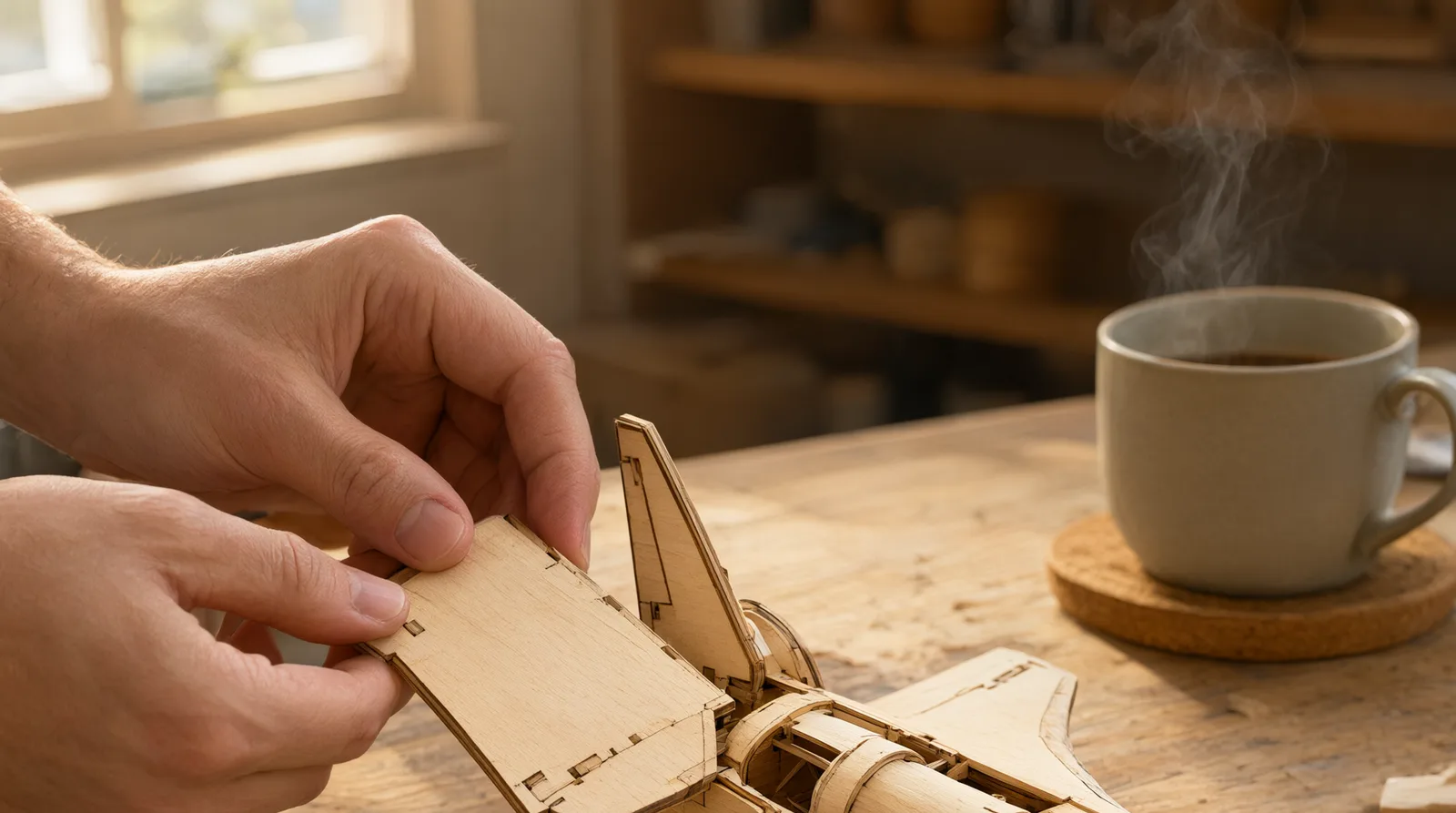
If you’ve ever browsed recent roundups of budget-friendly model rocket kits—like SlashGear’s guide to under-$40 flying rockets—you know the initial price is tempting. But the hidden costs quickly stack up, making a wooden model rocket alternative a far smarter long-term choice. What appears to be an affordable afternoon project quietly turns into an ongoing expense that can ground your fun before the first launch.
The Hidden Costs of Budget Model Rocket Kits
The appeal of a $30 rocket is undeniable. The box shows a sleek vehicle, but what it doesn’t show are the recurring purchases that keep it in the air. After you assemble the plastic fuselage and slide on those cardboard fins, you’ll need engines, igniters, and recovery wadding for every single flight—none of which come in the original box. A pack of motors can cost nearly as much as the kit itself, and you’ll burn through them in an afternoon.
Many budget rockets are not truly reusable without fresh consumables each time. Their lightweight plastic bodies often crack or melt after a few landings, and cardboard tubes dent easily. Then there’s the biggest showstopper: weather. Wind, rain, and dry fire-risk conditions can cancel your launch day, leaving the rocket sitting in a closet instead of on a display shelf. For many builders, the real joy is in the construction—yet with model rockets, the building phase is often over in under an hour.
Why a Wooden Model Rocket Alternative Fits the Same Budget and Desk Spot
A wooden space shuttle puzzle turns that equation upside down. For roughly the same price as those sub-$40 flying kits, you get a single purchase that stays on display forever, with no motors to replace and no weather windows to chase. The build itself becomes the main event, not just a prelude to a fleeting flight.
These kits from our 3D Wooden Puzzles collection are crafted from laser-cut plywood sheets, and they assemble without glue. That means a clean, dry build process you can do at the kitchen table any evening. The mechanical puzzle design typically includes moving components—rotating shuttle stages, payload bay doors that open, or landing gear that deploy—giving you a satisfying engineering challenge that far surpasses snapping together a plastic tube.
Unlike a model rocket that spends most of its life packed away, this wooden shuttle earns a permanent spot on your desk. The warm wood grain and intricate internal mechanics catch the light differently than mass-produced plastic, turning it into a piece of functional art.
The Tactile, Screen-Free Building Experience
Working with wood feels fundamentally different from plastic. You press each precisely cut piece out of its sheet, occasionally sanding a slightly attached edge to ensure a perfect fit. The process is meditative—a welcome break from fast-paced plastic snap kits and screen-heavy hobbies.
As we explored in our article on why our biplane puzzle tops plastic kits, the natural texture and subtle resistance of wood pieces create a calm, focused ritual. There’s no chemical smell from glue or paint, and no rush—you can spread the build over several evenings, savoring each section as the skeleton of the shuttle takes shape.
This experience is open to anyone, regardless of age or skill level. With no adhesives, paints, or solvents, it’s a clean indoor activity that doesn’t depend on season or weather. Kids as young as 14 can tackle it with supervision, and adults will find the layered assembly a refreshing puzzle.
From Launch Pad to Display Shelf: A Model That Decorates as Much as It Inspires
A typical model rocket’s final destination is a ceiling hook, where it dangles forgotten. A wooden shuttle puzzle, however, is built to be seen. The organic grain, warm tones, and exposed gear trains give it a steampunk-adjacent aesthetic that sparks conversation long after the build is complete.
Because the shuttle includes open sections, the interior mechanics stay visible—imagine a cutaway engine nacelle or a truss structure glowing under your desk lamp. Pair it with other mechanical wooden puzzles from our collection, such as a retro telephone or a biplane, and you create a cohesive display that celebrates both engineering and craftsmanship.
You might even line up a squadron of space-themed kits on a bookshelf. The point is that your investment doesn’t end when the last grain of sanding dust is wiped away; it marks the beginning of a piece you’ll want to look at every day.
Build It Once, Enjoy It Forever: The True Long-Term Value
Let’s do some quick math. A budget rocket kit, plus a few packs of motors, igniters, and wadding, easily runs past $60 for just a handful of launches. After those launches—if the weather cooperated and nothing broke—you’re left with a worn plastic tube that looks best at 20 feet away. A wooden shuttle puzzle, on the other hand, offers a weekend-long build that culminates in a museum-like piece that only gets better with age.
Quality plywood doesn’t warp, fade, or lose structural integrity like cardboard and plastic do. There are no consumables to reorder, and no launch site to coordinate. The shuttle sits on your shelf, impervious to rain and fire bans, quietly radiating the satisfaction of a project well done.
In the end, you’re not just buying a model—you’re investing in a reusable, display-ready artifact that rewards the time you put into it. For the same upfront budget as those trendy flying rockets, you get a genuine conversation piece that never stops delivering value.
Ready to trade one-and-done launches for a permanent centerpiece? Explore our entire lineup of mechanical wooden puzzles, including the space shuttle, in the 3D Wooden Puzzles collection and find the perfect build for your next screen-free weekend.
Frequently asked questions
Do I need any tools or glue to build the wooden space shuttle puzzle?
No, all pieces are laser-cut to press together with a friction fit. No paint, glue, or chemical solvents are required for assembly. You might want a bit of fine sandpaper to smooth any lightly attached edges, but that’s it.
How long does it take to assemble the wooden space shuttle puzzle?
Build time varies depending on your pace and experience, but most adults complete the shuttle in a few relaxed evenings—usually around 4 to 8 hours total. It’s designed to be a satisfying multi-session project, not a quick snap-together kit.
Is the wooden space shuttle puzzle suitable for kids?
The kit is recommended for ages 14 and up. Younger builders can definitely participate with adult supervision, as the precise wood pieces and mechanical assembly benefit from a careful hand. It’s an excellent family project for a rainy afternoon.
Does the wooden space shuttle puzzle have moving parts or functional components?
Yes, a hallmark of mechanical wooden puzzles is movement. Expect features like rotating shuttle stages, payload bay doors that open and close, or deployable landing gear. These moving parts are built into the design and work smoothly after assembly without any additional hardware.
How big is the finished wooden space shuttle model?
Once assembled, the shuttle is a substantial display piece that sits comfortably on a desk, bookshelf, or nightstand. Without giving exact millimeter specifications, it’s typically sized to be an eye-catching accent—noticeable from across the room but compact enough not to dominate your space.