
Classic Wooden Vehicle Kit Build: Inspired by a $7M Batmobile
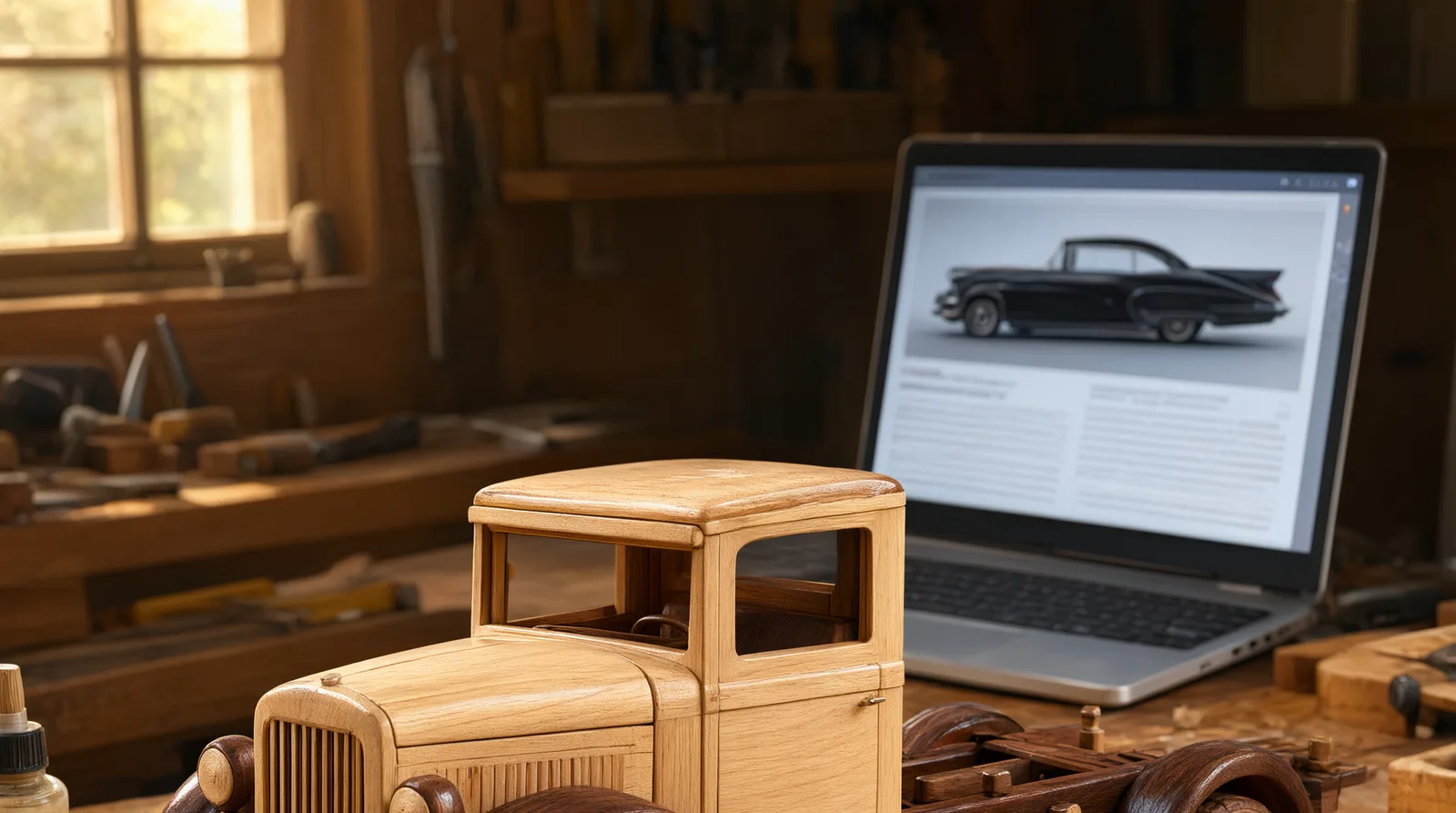
When a movie star car like the Batman Returns Batmobile heads to auction with an estimate that could reach $7 million, it is easy to dream about owning an iconic classic vehicle. A classic wooden vehicle kit gives you a far more attainable way to capture that same mechanical charm and display a piece of automotive history in your own home.
The appeal is not just nostalgia — it is the satisfaction of assembling real wooden parts into a working model with steering, moving beds, and rotating details. Whether you are drawn to a heavy truck, a farm tractor, or a vintage hauler, the right kit turns your curiosity into a hands-on project.
The Batmobile Auction and the Allure of Classic Vehicles
According to the New York Post, the Batman Returns Batmobile is expected to fetch up to $7 million at auction. That figure is a reminder of how deeply iconic vehicles — both movie cars and real-world workhorses — live in our imagination.
A wooden model cannot match seven figures, but it can capture the lines, stance, and mechanical personality that make a classic vehicle memorable. From the Ferdinand heavy truck to the MoAZ dump truck, these designs carry history and purpose. Building one from wood lets you study that engineering at a scale you can hold.
Many builders first come from plastic car kits. A classic wooden vehicle kit shifts the experience: instead of painting a shell, you assemble the chassis, axles, and body from interlocking plywood. The result feels more like a small machine than a static toy.
Picking the Right Classic Wooden Vehicle Kit for Your Garage
Start with the type of vehicle that excites you. The Wooden Ferdinand Puzzle Classic Heavy Vehicle Mechanical Assembly recreates a classic heavy truck, while the MoAZ models lean into earthmoving and mining. If farm machinery is more your speed, look for the Wooden Belarus 82.3 Tractor with Plow Farm Machinery Model Kit.
Keep these factors in mind before you buy:
- Piece count and scale: More pieces often mean more detail and a longer build, but also more small parts to handle.
- Working features: Some kits include steering, tilting dump beds, rotating harvesters, or moving tracks. Decide whether you want a display piece or a mechanical toy.
- Your assembly experience: If you are new to wooden puzzles, choose a kit with larger parts and clear step numbering. Complex subassemblies reward patience.
- Display space: A long semi-trailer set or a tall harvester needs a different shelf footprint than a compact telephone or printing press model.
Browse the full 3D Wooden Puzzles collection to compare vehicles side by side and find a model that matches your garage shelf.
Assembly Secrets for Smooth Mechanical Action
Wooden kits can bind if parts are forced. Remove pieces from their sheets carefully — a craft knife or fine scissors helps avoid splintering near narrow tabs. Lightly sand edges with fine-grit paper only where the fit feels too tight.
Dry-fit every subassembly before applying any finish. Gears, axles, and pivot points should move freely before you press them home. For smoother action, rub a small amount of beeswax or hard wax paste on contact points. Avoid liquid lubricants, which can soak into the wood and swell fibers.
Glue is rarely required, but if you use it, keep it away from moving joints. Follow the sequence exactly; these puzzles are designed to lock together, and skipping a step can cause hidden misalignment later. When you reach engine components, suspension arms, or hinge joints, slow down and test motion as you go.
Customization Techniques to Make Your Classic Hauler Unique
A bare wood model has a warm, laser-cut look, but a few finishing touches can make it feel like a collected artifact. Stains preserve the grain and give a vintage feel; acrylic paints let you match real fleet colors or a movie-inspired livery. Whichever you choose, apply thin layers so moving parts do not stick.
Metallic accents help a lot. Use bare-metal foil or a fine brush with a steady hand on grilles, mirrors, exhaust tips, and wheel hubs. The contrast against stained wood makes details pop without hiding the material.
For work vehicles like the MoAZ 75053, light weathering adds realism. Dry-brush dark browns, rust oranges, or earth tones along lower edges and around the dump bed to suggest dust and wear. Keep it subtle — you want history, not damage.
Finish with a small diorama base. Model gravel, grass tufts, or a printed road surface can set the scene. If you enjoy storytelling in a model, the ideas in this guide to wooden diorama puzzle kits can help you build a display that feels complete.
Displaying Your Wooden Masterpiece with Pride
Keep the finished model out of direct sunlight and away from humidity. A dust-free display case or a high shelf with indirect light protects the wood and the moving parts. If you leave it in the open, a soft dry brush or a can of compressed air helps remove dust without damaging details.
Group several classic vehicle builds together to create a vintage motor pool. A Ferdinand heavy truck, a Belarus tractor, and a MoAZ dump truck can sit side by side to tell a story about old industry. That lineup often looks more impressive than a single model alone.
These finished models also make memorable gifts for fellow car enthusiasts. A carefully assembled classic wooden vehicle kit is more personal than a mass-produced collectible, and you can hand it over knowing every moving part was fitted by you.
If the $7 million Batmobile has you dreaming about classic machines, start with a build that fits your shelf and your patience. Explore the 3D Wooden Puzzles collection to find your next classic wooden vehicle kit.
Frequently asked questions
Do classic wooden vehicle kits require glue?
Most are designed to fit together without glue, using interlocking tabs and wooden pegs. Some builders add a tiny drop of wood glue to non-moving joints for extra durability, but keep glue away from gears and axles. Always check the kit instructions for specific recommendations.
What tools do I need to build a wooden vehicle puzzle?
You typically need a craft knife or fine scissors to release parts, fine-grit sandpaper for light edge smoothing, and a flat work surface. Beeswax or hard wax paste can help moving parts glide, but no power tools are required.
Can I paint a wooden model kit after assembly?
Yes, but it is often easier to paint or stain parts before final assembly, especially areas that will be hard to reach once closed. Use thin layers and avoid painting pivot points, since paint can thicken parts and cause binding.
How long does a classic wooden vehicle kit take to build?
Build time depends on piece count and complexity. A compact model may take a few hours, while a larger vehicle with many mechanical subassemblies can take several build sessions. Working slowly with dry-fitting and test moves usually gives a better result.
Which classic wooden vehicle kit is best for beginners?
Choose a kit with fewer pieces and simple mechanical features, such as a compact vehicle or a smaller farm tractor. The Ferdinand heavy vehicle and Belarus tractor kits are often approachable for builders who are new to wooden puzzles, but always match the piece count to your patience.