
Build a Wooden Mining Model Kit to Appreciate the Electric Fleet Boom
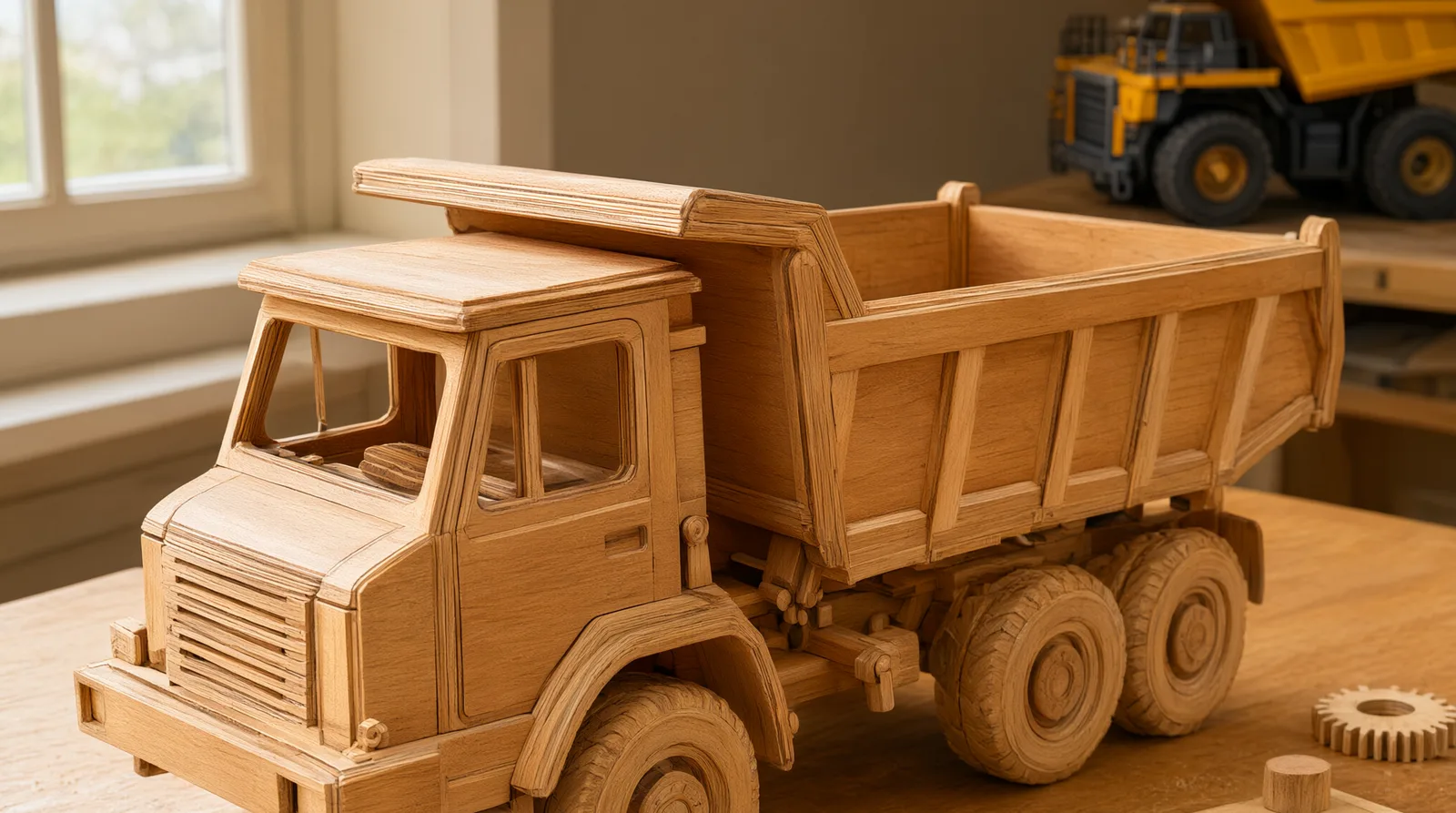
The electric mining fleet market is on the verge of a massive transformation. A recent analysis by Electronics For You BUSINESS projects the sector will exceed $27 billion by 2047 as mine operators switch to battery-powered haul trucks, loaders, and support vehicles. This shift isn't just about reducing emissions — it's a full-scale rethinking of heavy machinery. Building a wooden mining model kit gives you a hands-on way to slow down and appreciate the ingenious mechanical DNA that all these machines share, whether they run on diesel or lithium-ion.
When you assemble a wooden replica of a MoAZ dump truck or load-haul-dump machine, you're connecting with the same principles of leverage, articulation, and load distribution that make modern mining equipment so capable. And because the models at Logicwoody feature working mechanical details — tipping beds, articulated steering, oscillating axles — you get to experiment with those principles on your workbench.
The Electric Mining Fleet Boom and Why It Makes Building a Wooden Model More Relevant
The push toward electrification in mining isn't some far-off concept. Major manufacturers are already rolling out electric haulers, and the projected $27 billion market size by 2047 signals that battery-powered giants will soon dominate open pits and underground operations alike. This news gives every build an extra layer of context: the wooden truck you're assembling today mirrors the very same shift that's reshaping the industry.
Even as drivetrains go electric, the underlying mechanical principles — gears, linkages, load-handling geometry — remain endlessly fascinating. A wooden model lets you interact with those fundamentals directly. You can study how a dump bed’s hinge transfers weight, or how articulated steering keeps all four wheels on the ground. It’s an invitation to understand the machine, not just admire it from a distance.
Why Wood Makes a Great Medium for Mining Machinery Models
Layered plywood construction naturally echoes the chunky, armored panels of real earthmoving equipment. When you snap together the cabin and body panels of a MoAZ hauler, the visible laminations give the model an industrial texture that injection-molded plastic can't match. It feels like miniature heavy plate steel, but warm to the touch.
Wood also aligns neatly with the sustainability story behind electric mining. While the real machines reduce on-site emissions, your display piece avoids the petrochemicals and glossy artificiality of plastic kits. The result is a model that feels honest — a tactile, hand-built object that rewards the same patience the mining sector is applying to its own reinvention. If you're curious about why wood consistently outshines plastic for display models, our deeper dive into wooden mechanical alternatives offers a compelling comparison.
Assembling Your Mining Model Kit: Techniques That Prevent Snags
Mining models often include moving parts like a tipping dump bed or articulated frame, so a careful approach to assembly pays off. Before you even open the glue, spend a few minutes dry-fitting and refining the fit.
- Pre-sand tight joints. Lightly sand the edges of any tab that feels too snug. Always sand the tab, not the slot, to maintain the slot’s square profile.
- Test moving parts dry. Assemble the dump bed hinge or steering linkage without glue first. Cycle the mechanism a few times to identify any binding.
- Use a tiny amount of glue. A thin, clear-drying wood glue applied with a toothpick or small brush keeps joints clean and prevents glue from seeping into areas that must stay mobile. Never glue a moving pivot unless the instructions explicitly call for it.
- Lubricate pivots with wax or graphite. Rub a dry wax candle or a soft pencil (graphite powder) on hinge pins and bearing surfaces. These dry lubricants won't attract dust or stain the wood.
- Never force a part. If a tab resists, stop and sand it further. A tool handle or a gentle tap with a rubber mallet is safer than using your thumbs to brute-force the connection.
This patient, detail-oriented approach echoes the techniques we covered when building a wooden Batmobile — another iconic vehicle that rewards a steady hand, as you can see in our Classic Wooden Vehicle Kit Build story.
Display Ideas That Tell the Electric Mining Story
A wooden mining model deserves a display that complements its industrial character. Set the vehicle on a thick slice of dark-stained wood or a matte slate tile to give it the weight of a real bedrock floor. The contrast between the pale birch plywood and the dark base draws the eye straight to the model's mechanical details.
To hint at the electric future, consider adding a tiny LED ‘fleet light’ powered by a coin cell battery, tucked discreetly near the wheel arch so it casts a modern glow. You could also build a miniature charging station diorama from scrap wooden strips — a simple canopy and a cable mock-up made from twisted wire — to place next to the machine. Keeping the model unpainted, or applying only a clear satin finish, lets the natural wood grain become part of the story. It’s a model that looks like it belongs in both a historic machine hall and a clean-tech exhibition.
Choosing Your First Wooden Mining Model Kit at Logicwoody
Logicwoody offers two mining-vehicle models, each built around realistic working actions. The MoAZ 75053 Earthmoving Dump Truck replicates a rugged off-road hauler, with a body that tips to discharge its imaginary load. The MoAZ 4075 Load Haul Dump Machine captures an underground workhorse, featuring articulated steering and a front bucket linkage that moves when you turn the handle — no power source needed, just your fingertips.
Both kits deliver the satisfaction of seeing a mechanical function come alive through nothing but precision-cut wood. You can browse them side by side, along with the full range of buildable puzzles, on the 3D Wooden Puzzles collection page. When making your choice, check the listed piece count and estimated build time to match the kit to your skill level and the amount of free time you can set aside. A higher piece count often means a longer, more immersive experience with finer mechanical interlocks.
Keeping Your Wooden Mining Model in Prime Condition
Wood responds to its environment, so a little care goes a long way. Keep your completed model away from direct sunlight and rooms with extreme humidity, such as sunny windowsills or damp basements. Thin mechanical linkages are especially vulnerable to warping, and once they lose their shape, the moving parts may bind or loosen.
Dust gently with a soft, dry camera-lens brush rather than using wet cloths or cans of compressed air, which can stress small parts. If a joint works itself loose over time, apply a tiny dab of wood glue to the tip of a toothpick and carefully transfer it to the gap. That targeted repair restores the connection without any disassembly. With these simple habits, your wooden mining fleet will look and function like the day you finished it.
Whichever model catches your eye, you can explore the full mining and vehicle lineup in the 3D Wooden Puzzles collection and start building a piece of the electric future on your own workbench.
Frequently asked questions
What kind of moving parts can I expect in a wooden mining model kit?
Models like the MoAZ dump truck feature a working tipping bed; the LHD machine often includes articulated steering and oscillating axles, all operated by hand without glue on the moving joints.
Do I need glue to assemble the kit?
Most parts press-fit securely, but for structural joints and permanent display, a thin clear-drying wood glue is recommended. Avoid gluing moving parts so they remain functional.
How should I finish my model—paint or natural wood?
The natural birch plywood has an attractive grain that complements the industrial look. A clear satin finish or light wax seals the wood without hiding the layered construction, but you can paint it if you prefer.
Are these kits suitable for beginners?
They require patience and intermediate modeling skills due to the number of parts and mechanical linkages. Checking the piece count and estimated build time on the product page will help you gauge the challenge.
How do I keep the mechanical parts from sticking after assembly?
Lubricate pivot points with a dry wax candle or graphite powder before final assembly. Avoid liquid lubricants that can stain or attract dust.