
Wooden Space Shuttle Puzzle: Better Build & Display Than Plastic Kits
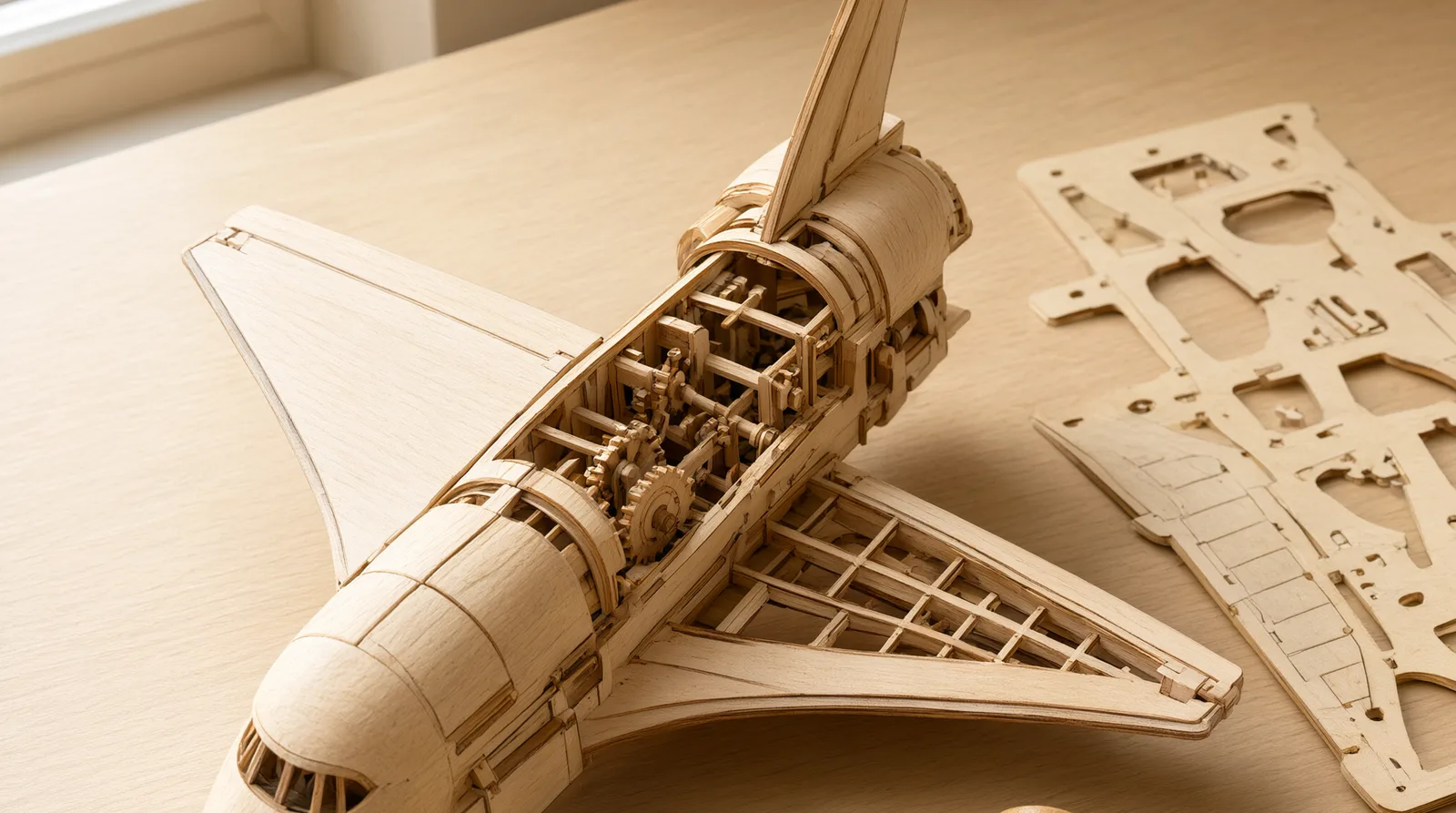
Spend a few minutes scrolling through hobbyist forums or model-kit YouTube channels and you’ll notice something: the sci-fi vehicle model scene is buzzing right now. A recent YouTube review of the OUTLAND Con-Am Shuttle replica kit is just one example of how collectors are hungry for iconic spacecraft builds. Yet for many, the routine of cutting sprues, sanding seam lines, and waiting for layers of paint to dry is starting to feel more like a chore than a joy. That’s where a wooden space shuttle puzzle changes the game—swapping chemical-laden assembly for a screen-free, deeply tactile experience that rewards you with a display piece as warm as it is impressive.
The Logicwoody Wooden Space Rocket Shuttle Puzzle Exploration Kit sits at the sweet spot of this renaissance. It’s part of a growing collection of mechanical 3D wooden puzzles that treat model building not as a test of mimicry, but as a hands-on engineering puzzle. No glue, no paint, no fumes—just your own two hands and a series of precisely cut plywood sheets waiting to become something that actually moves.
The Wooden Model Kit Renaissance
Plastic model kits have dominated the hobby for decades, and they’re not going anywhere. But the resurgence of wooden mechanical puzzles speaks to a desire for a different kind of satisfaction. Where a standard plastic shuttle kit demands meticulous painting to look even close to the box art, a wooden kit arrives with its finish already built into the very material. The appeal is in the process: sliding a finely sanded gear into place, tapping a peg home with a small wooden mallet, and watching a mechanism take shape without a single drop of adhesive.
The Logicwoody wooden space rocket shuttle puzzle exemplifies this shift. It’s not a static replica you simply glue together and put on a shelf. Instead, the build itself becomes the main event—an absorbing, multi-hour journey that merges puzzling, basic mechanical reasoning, and the quiet pride of creating something that operates. For modelers who grew up on plastic but now crave a cleaner, more meditative build, this category is a revelation.
Tactile Assembly: Wooden Space Shuttle Puzzle vs. Plastic Kit
Open a typical plastic model kit and you’ll find multiple sprues of injection-molded parts, a decal sheet, and a tube of glue that smells like an industrial cleaning closet. Before you can even think about assembly, you’ll be snipping, trimming, and sanding mold lines—then comes the painting, masking, and clear-coating. It’s a process that can stretch on for weeks and requires ventilation, patience, and a steady hand.
A wooden space shuttle puzzle flips that script entirely. Pieces arrive pre-cut, numbered, and ready to pop out of their frames. You don’t glue anything; instead, joints are engineered to fit with friction, often coaxed into place with a gentle tap from a small mallet. The sensory experience is night and day: you’re handling smooth, warm plywood instead of cold polystyrene, and the occasional scent of laser-charred edges smells more like a workshop than a chemistry lab. There’s no drying time, no accidental fingerprints in wet paint, and no toxic fumes to worry about.
What truly elevates the wooden build is the mechanical payoff. Many kits, including Logicwoody’s shuttle, feature moving elements—gear-driven cargo bay doors, pivoting engine nozzles, or extending satellite arms. These aren’t just static decorations; they actually work. Achieving that final, smooth articulation after an hour of careful assembly delivers a small but genuine engineering thrill that snapping together a painted fuselage simply doesn’t replicate.
Display-Worthy: The Aesthetic Edge of Wood
Once the build is done, the difference becomes even more apparent. A plastic shuttle kit, no matter how skillfully painted, tends to look like a miniature toy version of the real thing. It’s impressive in its accuracy, but it rarely surprises anyone. A wooden shuttle, on the other hand, stops people in their tracks. The natural grain, visible joinery, and subtle variations in tone give the model a sculptural, almost artisanal quality that blends industrial design with handcraft.
Wood also ages gracefully. While clear coats on plastic can yellow and the material itself can become brittle over time, a wooden model gains character. Many builders leave the wood completely untreated or apply only a light coat of food-grade mineral oil or wax to deepen the grain without hiding the laser-etched details. The result is a timeless display piece that feels less like a “toy” and more like a piece of decor—something that sparks conversation about craftsmanship and clever mechanics, not just about the movie it might be referencing.
Place a Logicwoody wooden space shuttle puzzle on a bookshelf or desktop, and it invites questions. Friends and family are instinctively drawn to the exposed timber and moving parts. It stands out in a home office or living space where a plastic model might just blend into the background clutter.
Choosing Your Wooden Space Shuttle Build
If you’re ready to try a wooden kit, the selection criteria are refreshingly simple. Look for a kit with clear, illustrated instructions—ideally with full-color diagrams and numbered pieces that correspond directly to the plywood sheets. The shuttle offered by Logicwoody is designed for intermediate builders, but a patient beginner will find the process completely manageable. Because there’s no rush, you can take your time, re-reading steps and gently fitting pieces without worrying about glue setting too fast.
Finishing touches are entirely optional. If you want to protect the model and enhance the grain, a light sanding with fine-grit paper followed by a thin application of food-safe mineral oil brings out the wood’s natural luster. This approach preserves all the intricate mechanical details—gear teeth, hinges, pivot points—that make the model come alive. Avoid heavy varnishes or thick paints that could clog moving assemblies; the beauty of a wooden puzzle is in the honesty of its construction.
A great starting point is the Wooden Space Rocket Shuttle Puzzle Exploration Kit itself. After that build, you might find yourself drawn to the rest of the 3D wooden puzzles collection, which includes agricultural machinery, vintage telephones, and even wearable cybernetic hands. Each one offers the same glue-free, mechanism-rich, screen-free build experience that makes the shuttle such a standout.
Explore the full collection and discover a model-building hobby that engages your hands, your mind, and your eye for design in equal measure.
Frequently asked questions
What makes a wooden space shuttle puzzle different from a plastic model kit?
A wooden shuttle puzzle uses pre-cut, interlocking plywood pieces that assemble without glue, paint, or toxic fumes. Unlike plastic kits, it often includes moving mechanical parts, and the natural wood grain provides a display-ready finish straight out of the box.
Do I need glue or paint for a wooden shuttle puzzle?
No glue or paint is needed. The pieces are designed to fit together with friction, and the natural wood finish looks beautiful on its own. You can optionally apply a light wax or food-safe mineral oil to protect the wood and enhance the grain.
Is the wooden shuttle model difficult to build for a beginner?
The Logicwoody wooden space shuttle puzzle is suited for intermediate builders, but a patient beginner can absolutely complete it. Clear, illustrated instructions and numbered pieces guide you step by step, and there’s no time pressure from drying glue.
How do I finish and protect the wooden model once it’s built?
After assembly, you can lightly sand any rough edges with fine-grit sandpaper. To protect the wood and deepen its color, apply a thin coat of food-grade mineral oil or clear wax. Avoid thick varnishes or paint that might clog moving parts.
Can a wooden space shuttle model have moving parts?
Yes. Many wooden mechanical puzzles feature functional elements like gear-driven cargo bay doors, rotating engine nozzles, or extendable satellite arms. These moving parts add an engineering-like reward to the build and make the final model more interactive.