
Wooden Mecha Model Alternative: Tactile, Screen-Free Builds
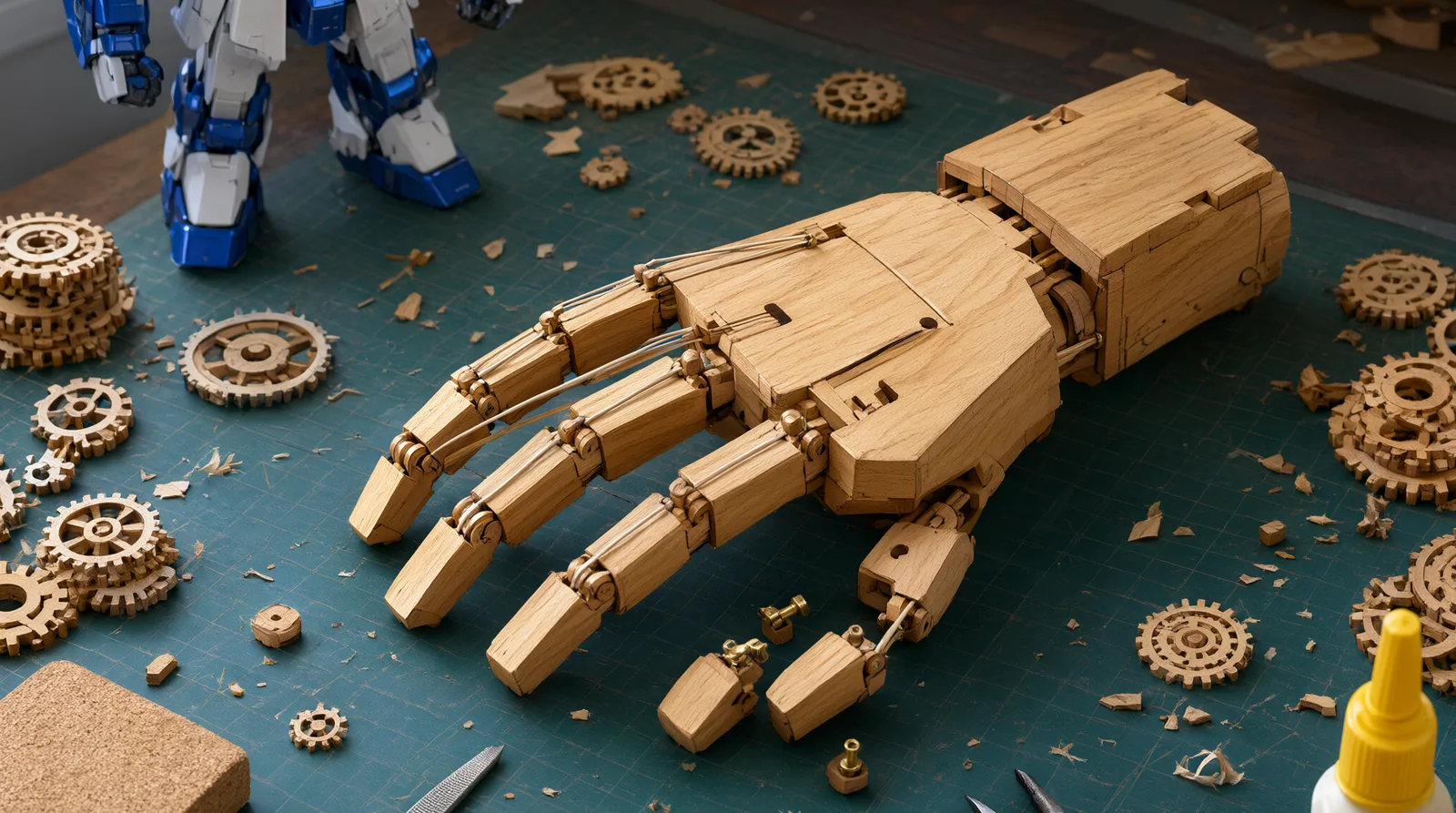
The mecha model community is buzzing about the newly announced BIGFIREBIRD BUILD BIRD/BINARY SHADE MEDUSA MK2 & BAT HEAD 1/60 kit—a plastic set that packs two distinct robots and a massive arsenal into a single box. As covered by Toy People, the 1/60 scale engineering and sheer part count have stirred real excitement among Gunpla fans. But if you love the idea of assembling a mechanical giant yet want a building experience that feels more organic and demands zero screen time, a wooden mecha model alternative might be exactly what you're seeking.
The appeal of a complex injection-molded kit is undeniable, but plastic parts can be brittle, and the process often calls for glue, paint, or solvents to reach a finished state. A wooden puzzle kit flips that script. It offers a tactile, meditative assembly that results in a durable, kinetic display piece without the chemical smell or risk of snapping thin armor plates. Here's why a wooden mecha alternative deserves a spot on your workbench.
The BIGFIREBIRD BUILD Mecha Kit Hype
The new BIGFIREBIRD BUILD release has everything a mecha builder craves: intricate joint engineering, a satisfying snap-fit assembly, and an intimidating arsenal that makes the final display pop. The 1/60 scale places it right in the sweet spot between detail and manageable size, and the promise of two full robots in one box only amplifies the appeal.
That said, many hobbyists quietly wrestle with the realities of high-end plastic kits. Thin parts can crack during cutting or posing, and achieving a truly polished look often means hours with an airbrush, masking tape, and solvents—none of which are exactly relaxing. The finished model, while impressive, typically becomes a static statue that you handle with care. This is where the question arises: can you get the mechanical, robot-building satisfaction without the plastic fragility and chemical overhead?
Why a Wooden Mecha Model Alternative Stands Out
Wooden mechanical puzzle kits, like those in the 3D Wooden Puzzles collection at Logicwoody, are built from precision laser-cut plywood that slots together through friction-fit connections. There’s no glue required, no paint necessary—the pieces lock firmly as you assemble, often revealing working gear trains, rotating joints, or articulated limbs right out of the wood sheets. The process feels more like engineering something alive than piecing together a decorative shell.
The natural wood grain, subtle sandalwood scent, and warm texture add a sensory layer that plastic simply cannot replicate. Every piece bears its own tiny variations, making each build feel personal and handcrafted. Unlike a standard mecha kit that hides its mechanics under armor, a wooden mecha model alternative celebrates the visible gears and cams, turning the model into a kinetic sculpture that teaches spatial reasoning and patience with every step.
The Meditative, Screen-Free Building Difference
Assembling a wooden mecha is intentionally slow. You press out parts from their sheets, carefully sand away any burrs with the included sandpaper, and follow illustrated instructions that require your full attention. There is no YouTube tutorial running in the background, no app telling you the next step—just you, the wood, and a gradually emerging mechanical form.
This stands in sharp contrast to the screen-heavy tutorials and digital distractions that often accompany plastic kit building. A wooden puzzle demands a focused, calming ritual that quiets the mind. The rewards are deeply tactile: the crisp click of a gear aligning, the smooth rotation of a joint you’ve just assembled, the moment a limb moves for the first time. That tangible payoff makes the process feel as good as the finished piece looks, without any high-stimulation noise.
From Build to Display: Durability and Aesthetics
Plywood layers are remarkably resilient. Unlike thin plastic that can snap at a seam or discolor under light, a wooden model withstands light handling and won’t turn brittle over time. The pieces are thick enough to sand and refit during assembly, and the resulting structure stays sturdy enough to be handled, posed, or even passed around without constant fear of breakage.
Left unfinished, the wood takes on a warm patina that only improves with age; a quick coat of a wood-safe wax or oil can deepen the grain and make the model a true conversation piece. There’s no worrying about paint chipping, yellowing armor panels, or fragile polycaps—your wooden robot sits proudly on a shelf, desk, or inside a diorama, looking better the longer you keep it. For a deeper dive into why these builds outlast and outshine their plastic cousins, read our article on why wooden kits outlast plastic.
Best Wooden Mecha and Robot Kits to Try Today
If you’re ready to experience a wooden mecha model alternative firsthand, start with the Wooden Cyber Hand Puzzle Mechanical Wearable Robot Model Kit (available in the 3D Wooden Puzzles collection). This build features fully articulated fingers and a wrist mechanism that actually moves, giving you a piece of wearable robotics that feels straight out of a sci-fi workshop. It’s mid-complexity, rewarding you with motion and plenty of mechanical insight.
For a cleaner display piece, the Wooden Space Rocket Shuttle Puzzle offers a futuristic silhouette that fits right into a mecha collection. And if you love raw mechanical energy, the Wooden Marble Run Puzzle uses gear-driven tracks to channel that industrial machine vibe. Whichever you choose, start with a kit that matches your patience level—the Cyber Hand rewards builders who enjoy seeing movement, while the Rocket Shuttle suits those who want a striking shelf centerpiece.
Browse the full 3D Wooden Puzzles collection to find new arrivals that continue the wooden mecha trend. Each model brings the same tactile, screen-free joy that makes the building journey as memorable as the finished robot.
Frequently asked questions
Do wooden mecha models require glue or paint like plastic kits?
Most wooden puzzle kits, including those from Logicwoody, use friction-fit construction and need no glue at all. Parts press together firmly, and the natural wood finish looks great without painting. You can apply a wood-safe wax or oil for extra protection, but it’s completely optional.
How complex are wooden mecha puzzle kits compared to Gunpla?
Wooden mecha kits range from beginner-friendly models to advanced builds with hundreds of pieces. The assembly is more about sanding, pressing, and aligning layers than snipping sprues. You still follow step-by-step instructions, but the process feels more like engineering a moving machine than snapping parts onto a frame.
Are the moving parts in wooden robots durable enough for repeated use?
Yes. Plywood gears and joints are designed to handle gentle, repeated motion. Since the wood is layered and sanded during assembly, the moving parts stay smooth and resist cracking. Light handling won’t harm them, though rough play is not recommended for any model.
Can I customize a wooden mecha model after building it?
You can stain, wax, or lightly paint wooden parts using water-based or wood-safe products. Some builders add a clear coat or a tinted oil to enhance the grain. Just avoid heavy solvents or sprays that could swell the plywood—test on a spare piece first if you want to experiment.
What makes a wooden mecha build a screen-free experience?
The process relies on printed paper instructions and physical puzzle pieces, so you never need a screen to follow along. That forces you to slow down and focus on each step, creating a meditative rhythm that’s hard to find in digital-heavy hobbies.